

Looking for Chinese Jokes that are funny, clever, and easy to share? You’re in the right place! This collection brings together hilarious ideas inspired by Chinese culture, food, language, traditions, and everyday moments. You’ll find playful Chinese puns, silly one-liners, and lighthearted humor that works for friends, families, parties, and social media. Some jokes play with Mandarin words, while others highlight funny situations around noodles, dumplings, tea, festivals, and zodiac animals.
Everything is written in simple English, making these jokes easy to understand and enjoy. Whether you want a quick laugh or a caption that gets attention, these Chinese food jokes and cultural favorites have plenty of humor to keep you smiling.
Best Chinese Jokes for Instant Laughs
These are some of the best Chinese jokes for a quick laugh. They cover food, animals, language, family, and simple Chinese wordplay. Each joke is short enough to share in a text or group chat.
You’ll also notice that many jokes use familiar ideas such as Chinese numbers, Chinese food, Chinese sayings, and playful misunderstandings. They’re designed as shareable jokes for readers in the USA and beyond.
Funniest Chinese Jokes
- Why did the dumpling smile? Because it was feeling a little wonton-derful.
- Why did the panda bring a notebook? It wanted to write down its bear-y funny ideas.
- What did the noodle say at the party? “Let’s twist things up!”
- Why did the dragon become a comedian? It already knew how to fire up a crowd.
- Why did the fortune cookie get promoted? It always delivered good advice in small packages.
- What did the rice say to the bowl? “You complete my meal.”
- Why did the chopsticks stay together? They had a very stick-y friendship.
- Why did the tea start telling jokes? It wanted to brew some laughter.
- What did the baozi say after dinner? “I’m completely stuffed.”
- Why did the mooncake laugh? Its filling had a sweet sense of humor.
- Why did the wok get invited everywhere? It always knew how to handle the heat.
- Why did the panda avoid arguments? It preferred to bear with everyone.
- What did the soy sauce say? “I add a little flavor to every situation.”
- Why did the noodle get a job? It had excellent connections.
- Why did the dumpling cross the table? It wanted to get to the other side of the sauce.
- What does a funny dragon say? “I’m on fire tonight!”
- Why did the rice feel confident? It knew it was the main grain.
- Why did the tea refuse to gossip? It didn’t want to spill the tea.
- What did the fortune cookie say to the comedian? “Your future looks funny.”
- Why did the spring roll win the race? It knew how to roll with the competition.
- Why did the panda become a teacher? It had a lot of bamboo knowledge.
- What did the dumpling tell its friend? “Stay filled with happiness.”
- Why did the wok go to therapy? It had too much pressure.
- Why did the dragon love birthdays? Every party came with fireworks.
- What did the chopstick say to its partner? “We’re better together.”
- Why did the tea cup blush? Someone gave it a steaming compliment.
- Why did the noodle stay calm? It knew how to go with the flow.
- Why did the panda take a nap? Comedy is exhausting.
- What did the mooncake tell the lantern? “You light up my filling.”
- Why did the dumpling become famous? It was packed with personality.
- Why did the fortune cookie start a podcast? It had plenty of predictions to share.
Short Chinese Jokes and Funny One-Liners
Short Chinese jokes work especially well when you want something quick. A good one-liner needs very little setup. The punchline arrives before the reader has time to overthink it.
These Chinese jokes one-liners are also useful as Chinese joke captions, texts, party jokes, and social media jokes. They use simple funny one-liners that most readers can understand immediately.
Chinese Jokes One-Liners to Share
- My Chinese is improving. My confidence is improving faster.
- I speak Mandarin fluently. At least my translator thinks so.
- Life is better with noodles and fewer meetings.
- I’m not lazy. I’m practicing panda energy.
- My favorite Chinese number is eight. My wallet agrees.
- I ordered dim sum. My diet submitted its resignation.
- I tried Chinese wordplay. Now my brain needs tea.
- My chopsticks have better coordination than I do.
- Fortune cookies know more about my future than I do.
- I’m fluent in ordering takeout.
- My Chinese vocabulary starts with “hello” and ends with “more noodles.”
- Hot pot is just dinner with a little more drama.
- I came for the tea. I stayed for the dumplings.
- My pronunciation needs practice. My appetite doesn’t.
- I trust fortune cookies because they never ask for rent.
- Chinese food solves problems I didn’t know I had.
- My chopsticks and I are still working on teamwork.
- I learned one Chinese phrase today. Tomorrow, I’ll learn another.
- Noodles understand me. They’re always tangled too.
- I’m one dumpling away from happiness.
- My Chinese teacher said, “Practice.” My stomach said, “Dim sum.”
- I don’t need luck. I have leftovers.
- My favorite exercise is reaching for another dumpling.
- I put my phone on WeChat and forgot the rest of the world.
- Tea first. Problems later.
- My fortune cookie promised success. It also promised noodles.
- I’m fluent in hungry.
- Good food makes every language easier.
- I have a PhD in ordering Chinese takeout.
- Life is short. Order the dumplings.
Clever Chinese Jokes and Wordplay
Many clever Chinese jokes come from sounds, meanings, and context. Chinese wordplay can become especially interesting because one sound may connect with several different words. Chinese also uses tones, which can completely change meaning.
That makes Chinese language jokes a natural source of humor. Some jokes below use English puns, while others play with homophones, Chinese word meanings, and language-learning experiences.
Chinese Puns and Language Wordplay
- Why did the Chinese character go to school? It wanted a better education.
- Why did pinyin get confused? Too many sounds were competing for attention.
- Why did the tone get promoted? It knew how to set the mood.
- Why did the beginner carry a dictionary? Confidence wasn’t enough.
- Why did the character refuse to move? It had too many strokes.
- Why did the pronunciation teacher smile? The student finally hit the right tone.
- Why did the homophone tell jokes? It loved having double meanings.
- Why did the vocabulary word hide? Nobody pronounced it correctly.
- Why did the Chinese sentence go to therapy? It had too many issues with context.
- Why did the student love pinyin? It made the first step less scary.
- Why did the tone practice session become musical? Everyone kept changing pitch.
- Why did the character bring an umbrella? It expected a stroke of bad weather.
- Why did the dictionary laugh? It had the meaning of life.
- Why did the beginner say “I’m fluent”? He knew ten whole words.
- Why did the Chinese word get jealous? It heard another word had better pronunciation.
- Why did the translator need coffee? Every sentence had a surprise.
- Why did the language learner bring noodles to class? They were already good at getting tangled.
- Why did the sentence fail the test? It lost its context.
- Why did pinyin become famous? Everyone knew how to spell its name.
- Why did the character become an artist? It already had plenty of strokes.
- Why did the tone become a singer? It knew how to change pitch.
- Why did the dictionary refuse to argue? It had the final word.
- Why did the language student smile? A difficult word finally made sense.
- Why did the Chinese phrase take a vacation? It needed a change of context.
- Why did the teacher say, “Try again”? The tone had gone on vacation.
- Why did the learner study every night? The characters refused to memorize themselves.
- Why did the translation laugh? The original sentence sounded completely different.
- Why did the Chinese word join comedy night? It had several meanings to work with.
- Why did the student bring flashcards? His memory needed backup.
- Why did the character get famous? It had a striking personality.
- Why did the homophone win the contest? It had twice the possibilities.
Funny Chinese Food Jokes
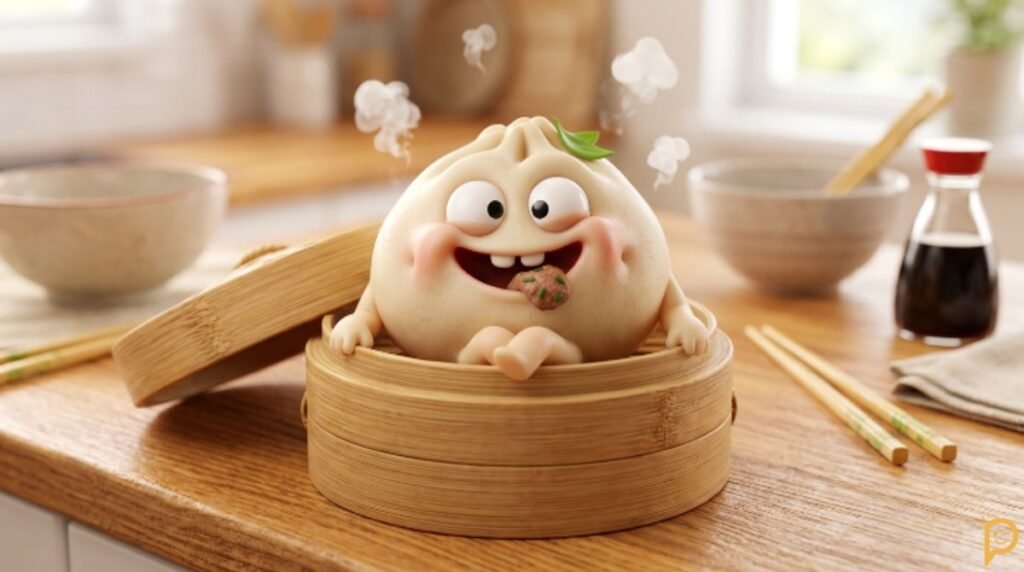
Chinese food jokes are some of the easiest jokes to share. Familiar dishes give writers plenty of opportunities for puns. From dumplings and noodles to fried rice, wonton, and dim sum, every dish seems ready for a punchline.
Food also connects naturally with American readers. Chinese takeout is a familiar experience across the USA. These jokes turn that everyday experience into playful funny Chinese humor.
Chinese Food Jokes and Puns
- Why did the dumpling go to therapy? It had too many fillings.
- What did the noodle say after a long day? “I’m feeling a little twisted.”
- Why did the fried rice become famous? It knew how to stir things up.
- Why did the wonton go to school? It wanted to become a little wrapper.
- Why did the dim sum blush? Someone called it delicious.
- Why did the baozi get promoted? It was full of potential.
- Why did the spring roll enter a race? It loved rolling with competition.
- Why did the hot pot need a break? Everything was getting too heated.
- Why did the soy sauce feel important? Everyone wanted its flavor.
- Why did the noodles refuse to argue? They didn’t want to get tangled.
- Why did the dumpling win an award? It was outstanding in its filling.
- Why did the rice bring a friend? It didn’t want to eat alone.
- Why did the wonton become a comedian? It knew how to wrap up a joke.
- Why did the dim sum start a band? It had bite-sized talent.
- Why did the baozi become a singer? It had a stuffed voice.
- Why did the noodles get promoted? They knew how to connect everything.
- Why did the fried rice start dancing? Someone turned up the wok music.
- Why did the spring roll stay calm? It knew how to roll with it.
- Why did the hot pot become a manager? It was excellent under pressure.
- Why did the soy sauce tell jokes? It liked adding flavor to conversations.
- Why did the dumpling hide? It wanted to stay undercover.
- Why did the noodle get confused? Every problem had too many twists.
- Why did the baozi smile? It was having a filling day.
- Why did the wonton become a detective? It was good at wrapping up mysteries.
- Why did dim sum start a newsletter? It had plenty of small bites of news.
- Why did fried rice love teamwork? Everyone brought something to the pan.
- Why did the hot pot invite everyone? It believed dinner was better together.
- Why did the noodle join a comedy club? It wanted to stretch its material.
- Why did the dumpling take a selfie? It wanted to show its best filling.
- Why did the soy sauce win an argument? It had a salty comeback.
- Why did the spring roll become popular? It always knew how to make an entrance.
You May Also Like: 250+ Best Train Puns That Will Keep You Laughing Right on Track
Chinese Language, Characters, and Learning Jokes
Learning Chinese language skills can be challenging, especially at the beginning. Mandarin, Chinese characters, pinyin, and Chinese tones all create different learning hurdles. That challenge can become funny when students share their experiences.
The best Mandarin jokes laugh at common learning problems rather than at people. A missed tone, forgotten character, or strange translation can create harmless comedy. That makes these jokes useful for students, teachers, and curious readers.
Chinese Language Jokes for Learners
- Why did the student study Mandarin at night? The characters refused to sleep.
- Why did pinyin go to therapy? It had pronunciation issues.
- Why did the Chinese tone become a singer? It loved changing pitch.
- Why did the learner carry flashcards everywhere? Vocabulary never takes a day off.
- Why did the character need a pencil? It wanted another stroke.
- Why did the student fear tones? One tiny change could change everything.
- Why did the teacher laugh? The student invented a brand-new pronunciation.
- Why did the dictionary become popular? Everyone needed its advice.
- Why did the learner say “I’m fluent”? He could order noodles confidently.
- Why did Chinese characters look busy? They had too many strokes to finish.
- Why did pinyin join music class? It already cared about sounds.
- Why did the student practice speaking alone? The mirror never corrected pronunciation.
- Why did the vocabulary card hide? It knew the student had forgotten it.
- Why did the grammar book smile? It finally made sense.
- Why did the student bring snacks to Chinese class? Learning works better with dumplings.
- Why did the teacher repeat the word? The tone had missed the meeting.
- Why did the learner love easy characters? They didn’t demand ten minutes of staring.
- Why did the translation app laugh? The sentence surprised even itself.
- Why did the student say the phrase twice? The first version sounded completely different.
- Why did the Chinese dictionary get tired? Everyone kept asking for definitions.
- Why did the learner write slowly? Every character deserved attention.
- Why did the tone practice sound like singing? Because pitch matters.
- Why did the student celebrate? One difficult character finally stuck.
- Why did the Chinese teacher bring tea? Language learning can be steep.
- Why did the learner study Chinese sayings? Every phrase had a story.
- Why did the student love pinyin? It offered a friendly bridge to characters.
- Why did the language app become a comedian? Its mistakes were surprisingly funny.
- Why did the learner practice every day? Fluency likes consistency.
- Why did the character join a dance class? It wanted smoother strokes.
- Why did the student laugh at translation jokes? They showed how easily meaning can change.
Chinese New Year, Festival, and Zodiac Jokes
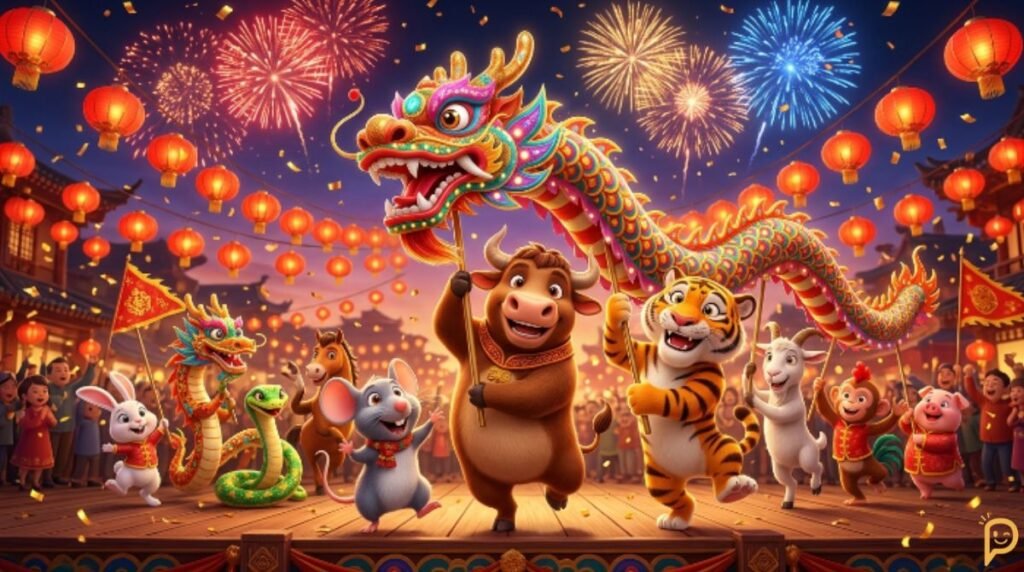
Chinese New Year jokes bring together food, family, celebration, and good wishes. Lunar New Year traditions also provide plenty of colorful subjects for humor. Red envelopes, lanterns, fireworks, dumplings, and family gatherings all create fun setups.
The Chinese zodiac adds another layer. Its twelve animals give you endless possibilities for Chinese zodiac jokes. These jokes work especially well during Chinese festivals, classroom celebrations, and holiday parties.
Chinese New Year Jokes and CNY Jokes
- Why did the red envelope laugh? It had money-making punchlines.
- Why did the dragon love New Year? It could finally show off its fireworks.
- Why did the dumpling dress up? It wanted to look lucky.
- Why did the lantern smile? It was shining with confidence.
- Why did the mooncake feel special? It was the sweetest guest.
- Why did the fireworks tell jokes? They loved explosive punchlines.
- Why did the family clean the house? They wanted a fresh start.
- Why did the red envelope go to school? It wanted to learn about interest.
- Why did the dragon dance? It heard the party needed energy.
- Why did the dumplings arrive early? They didn’t want to miss dinner.
- Why did the lantern become famous? It knew how to light up a room.
- Why did the mooncake get invited everywhere? It was always a sweet guest.
- Why did the fireworks fail at whispering? They were naturally loud.
- Why did the family take so many photos? Everyone wanted holiday memories.
- Why did the lucky envelope smile? It had a bright future.
Funny Chinese Zodiac Jokes
- Why did the rat win the race? It knew every shortcut.
- Why did the ox become a manager? It worked hard.
- Why did the tiger become a comedian? It had a fierce sense of humor.
- Why did the rabbit love jokes? It had a quick wit.
- Why did the dragon become famous? It knew how to make an entrance.
- Why did the snake avoid arguments? It preferred a smooth escape.
- Why did the horse love vacations? It enjoyed getting away.
- Why did the goat join the debate club? It had plenty to say.
- Why did the monkey become an entertainer? It already had the audience.
- Why did the rooster wake everyone up? It took its job seriously.
- Why did the dog become a security guard? It was loyal to the punchline.
- Why did the pig love parties? It never said no to good food.
- Why did the zodiac animals hold a meeting? They needed to discuss the next party.
- Why did the dragon beat the rabbit at storytelling? It had more fire.
- Why did the monkey win the talent show? It knew how to entertain.
Cute and Clean Chinese Jokes for Kids and Families
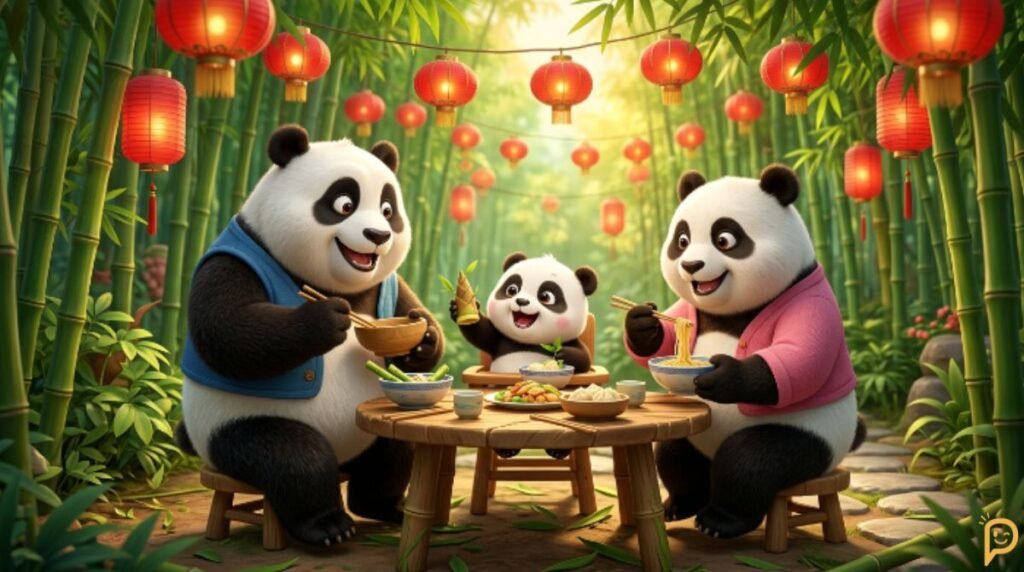
Chinese jokes for kids should stay simple, cheerful, and easy to understand. Cute Chinese jokes work especially well when they use animals, food, school situations, and friendly family humor.
This section focuses on clean Chinese jokes, Chinese family jokes, and Chinese jokes for all ages. Parents can share them with children without worrying about harsh language or adult themes.
Cute Chinese Jokes for Kids
- Why did the panda bring a backpack? It was going to bamboo school.
- Why did the dumpling go to class? It wanted to become smarter.
- Why did the noodle refuse to fight? It preferred peaceful twists.
- Why did the dragon sneeze? Too much firecracker smoke.
- Why did the panda nap? It had a very busy bamboo schedule.
- Why did the rice dance? It heard a stirring song.
- Why did the chopsticks smile? They were paired with their best friend.
- Why did the tea cup laugh? It heard a steep joke.
- Why did the mooncake smile? It had a sweet filling.
- Why did the dragon bring an umbrella? It expected a fiery storm.
- Why did the dumpling bring a pencil? It wanted to draw its filling.
- Why did the panda become a student? It wanted to learn new tricks.
- Why did the noodle join the playground? It loved the slide.
- Why did the lantern get a good grade? It was bright.
- Why did the rice bring a friend? It liked sticking together.
- Why did the chopsticks join the team? They worked better in pairs.
- Why did the dragon become a teacher? It knew how to command attention.
- Why did the dumpling laugh? Its friend told a filling joke.
- Why did the panda carry bamboo? It was lunch time.
- Why did the tea bring a blanket? It wanted to stay warm.
- Why did the spring roll join the race? It could roll very fast.
- Why did the fortune cookie study? It wanted a brighter future.
- Why did the baozi smile? It was full of happiness.
- Why did the noodle get excited? It was going to a twist party.
- Why did the lantern dance? It loved bright music.
- Why did the panda bring crayons? It wanted to draw bamboo.
- Why did the dumpling sit quietly? It was listening to the soup.
- Why did the dragon love stories? Every tale had a little fire.
- Why did the rice win the friendship award? It always stuck around.
- Why did the chopsticks win teamwork day? They always worked together.
You May Also Like: 250+ Best Train Puns That Will Keep You Laughing Right on Track
Chinese Jokes for Adults, Friends, and Social Media
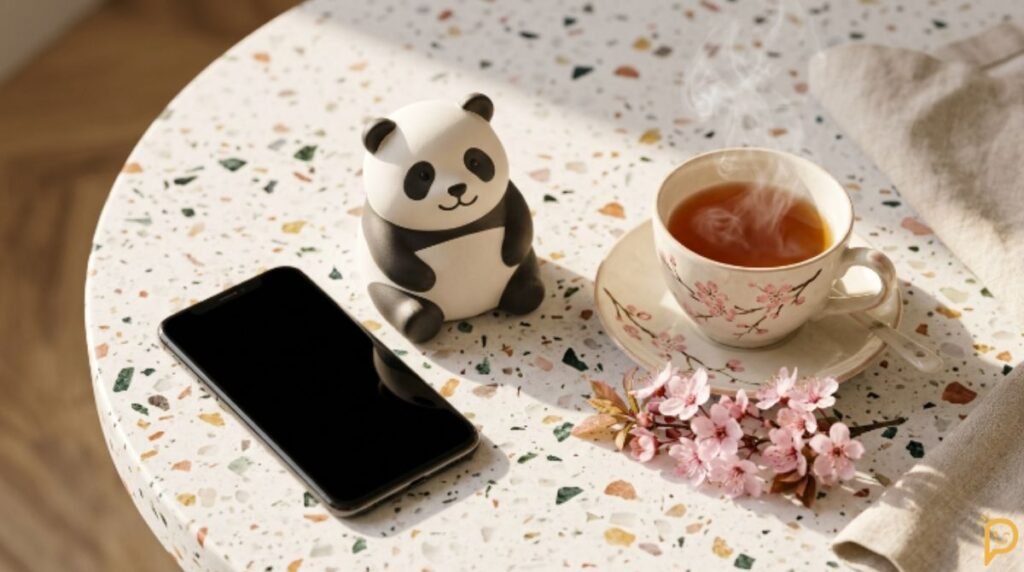
Chinese jokes for adults can be slightly more clever while still staying tasteful. Adult humor often works because it connects with work, dating, money, food, technology, and everyday stress.
Friends also love jokes that are quick to share. These Chinese jokes for friends, Chinese jokes online, and Chinese jokes for Reddit are written for group chats and social platforms. They can also become Chinese joke captions for posts and photos.
Chinese Jokes for Adults and Friends
- Why did the businessman love eight? It sounded lucky for his profits.
- Why did the office worker order hot pot? Work was already heated.
- Why did the boss love tea? It helped meetings steep longer.
- Why did the employee bring dumplings to work? He needed a filling lunch.
- Why did the accountant love noodles? Every number had a twist.
- Why did the manager bring chopsticks? He wanted better teamwork.
- Why did the office printer complain? It was running out of paper fortune.
- Why did the employee love Friday? Even the calendar looked happier.
- Why did the panda quit its job? It needed more bamboo breaks.
- Why did the Chinese restaurant owner smile? Business was wok-ing.
- Why did the fortune cookie join the office? It had career advice.
- Why did the tea refuse overtime? It needed time to steep.
- Why did the dumpling get promoted? It was full of potential.
- Why did the noodles hate deadlines? They always needed more time to untangle things.
- Why did the boss order dim sum? He wanted a small meeting.
- Why did the coworker send a panda sticker? Words were too much work.
- Why did the hot pot become a team leader? Everyone gathered around it.
- Why did the office chair love Chinese food? It supported every lunch break.
- Why did the employee call in sick? He had a serious case of noodle fatigue.
- Why did the businessman bring a fortune cookie? He wanted a second opinion.
Chinese Jokes Online and Social Media
- My Chinese food photo got more likes than my vacation photo.
- I posted a dumpling joke. It was instantly well-rounded.
- My fortune cookie post went viral. Apparently, destiny has followers.
- I shared a noodle meme. It got tangled in the comments.
- My panda caption was unbearably popular.
- I posted hot pot humor. The comments got heated.
- My WeChat group has three people and forty stickers.
- I sent one dumpling photo. Everyone asked where I ordered it.
- Reddit asked for a source. I pointed to my fortune cookie.
- My Chinese food meme needed no translation. Everyone understood hunger.
- I wrote a clever pun online. The algorithm finally had a sense of humor.
- My joke got zero likes. Even the fortune cookie was disappointed.
- I posted a tea joke. It slowly brewed attention.
- My noodle joke went viral. It finally found the right audience.
- Social media taught me one thing. Everyone loves food jokes.
Chinese Culture, Travel, and Everyday Life Jokes
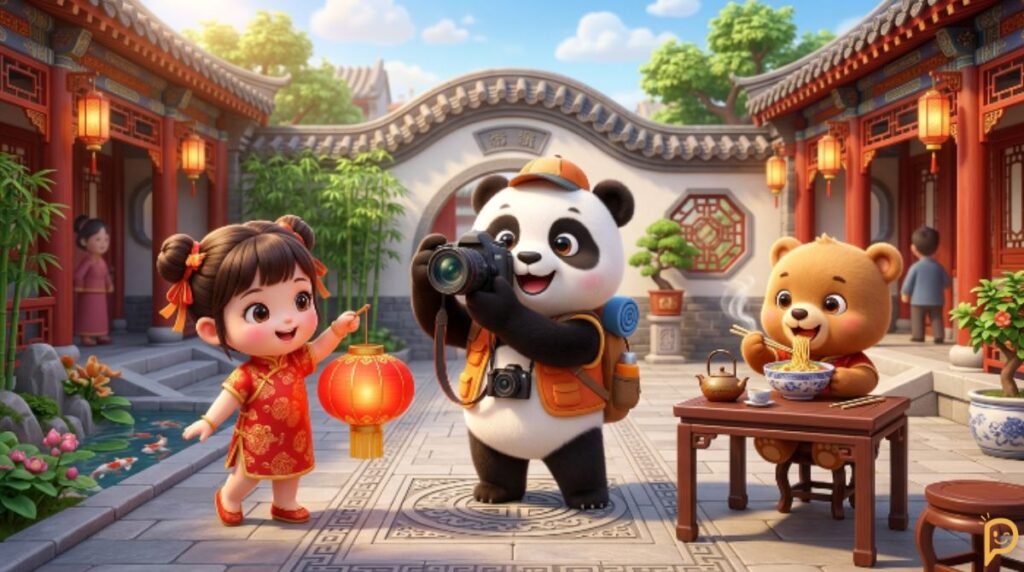
Chinese culture jokes can be funny when they focus on familiar experiences and harmless observations. Good cultural Chinese humor should show curiosity and respect. It shouldn’t turn cultural identity into a cheap punchline.
Travel also creates funny moments. Signs, menus, directions, food orders, language mistakes, and unfamiliar routines can produce relatable humor without insulting anyone.
Chinese Culture Jokes and Everyday Humor
- Why did the tea refuse to hurry? Good tea takes time.
- Why did the dumpling arrive at the family dinner? It knew everyone would ask for seconds.
- Why did the lantern look happy? It was enjoying the evening.
- Why did the fortune cookie feel wise? It had a tiny message for everything.
- Why did the family dinner get loud? Everyone had a story to tell.
- Why did the chopsticks work so well? They understood teamwork.
- Why did the tea become a good listener? It never interrupted.
- Why did the mooncake become popular? It knew how to make celebrations sweeter.
- Why did the red envelope smile? It brought good wishes.
- Why did the panda become a cultural celebrity? Everyone loved its relaxed style.
- Why did the dragon appear at the festival? It knew where the excitement was.
- Why did the lantern stay outside? It wanted to enjoy the night.
- Why did the family take photos? Memories deserve a camera.
- Why did the tea table become a meeting room? Everyone had something to discuss.
- Why did the dumpling bring extra sauce? It planned ahead.
Chinese Travel Jokes and Tourist Humor
- Why did the tourist bring a dictionary? The menu looked too exciting.
- Why did the traveler love the Great Wall? It was impossible to miss.
- Why did the tourist take a photo of everything? Even the snacks looked photogenic.
- Why did the map get tired? Everyone kept asking for directions.
- Why did the taxi driver laugh? The tourist tried giving directions in three languages.
- Why did the traveler practice Mandarin? He wanted to order dinner confidently.
- Why did the tourist bring chopsticks home? The souvenir was useful.
- Why did the passport look exhausted? It had too many adventures.
- Why did the traveler love tea shops? Every stop came with a story.
- Why did the tourist get excited about the food market? Every smell was an invitation.
- Why did the traveler photograph the lanterns? They were already doing the lighting.
- Why did the visitor love Chinese festivals? The atmosphere was impossible to ignore.
- Why did the traveler study Chinese names? He wanted to pronounce them correctly.
- Why did the tourist practice Chinese sayings? They made great conversation starters.
- Why did the traveler bring comfortable shoes? Adventure has a lot of walking.
- Why did the tourist love local food? Every meal became a memory.
Classic, Knock-Knock, and Bonus Chinese Jokes
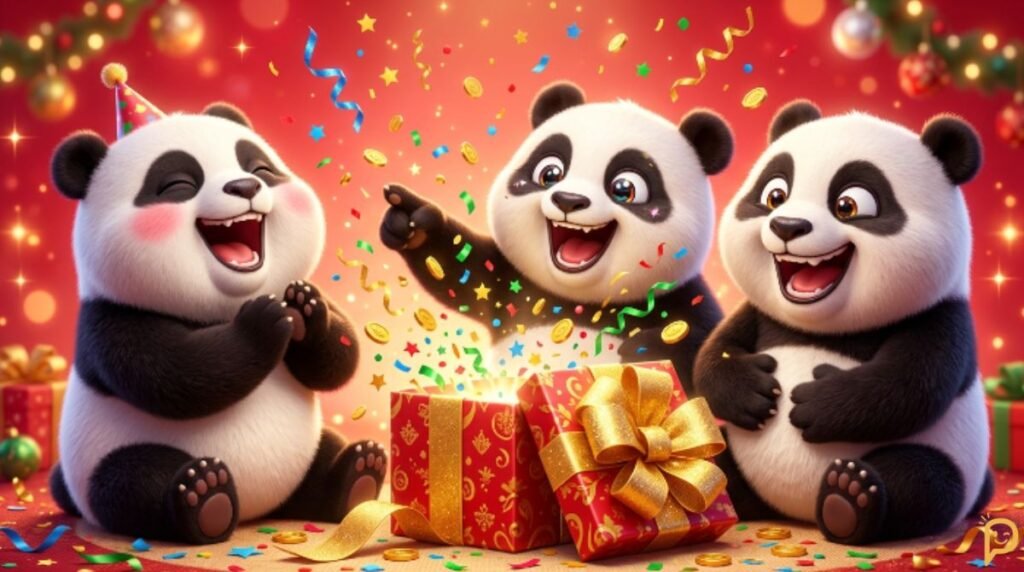
Classic Chinese jokes often use familiar joke formats. These include Q&A jokes, knock-knock jokes, dad jokes, and simple “What do you call…” setups. Familiar formats make jokes easy for readers to understand.
This final section adds more Chinese funny sayings, Chinese funny one-liners, and original jokes. The goal is to finish the collection with memorable lines that readers can share at parties, online, or with friends.
Classic Chinese Jokes and Q&A Jokes
- What do you call a Chinese millionaire? Cha-ching dynasty.
- Why did the panda go to school? To improve its bamboo knowledge.
- Why did the noodle get promoted? It knew how to handle pressure.
- What did the dragon say at the bank? “I’m here to make a deposit of fire.”
- Why did the fortune cookie become a philosopher? Everyone wanted its advice.
- What did the rice say to the noodle? “You’re really stretching this conversation.”
- Why did the dumpling become a detective? It always uncovered the filling truth.
- What did the tea say to coffee? “Relax. You’re making everyone jittery.”
- Why did the chopsticks get a trophy? They were excellent partners.
- What did the mooncake say to the diet? “Maybe next month.”
- Why did the panda start a comedy show? It had plenty of bear-y funny material.
- What did the wok say to the chef? “Let’s turn up the heat.”
- Why did the baozi join the party? It wanted to get stuffed with fun.
- What did the fortune cookie say before dinner? “Your future contains leftovers.”
- Why did the spring roll become a comedian? It knew how to roll with every joke.
Knock-Knock Chinese Jokes
- Knock, knock. Who’s there? Bao. Bao who? Bao-bao, open the door!
- Knock, knock. Who’s there? Tea. Tea who? Tea you later!
- Knock, knock. Who’s there? Ming. Ming who? Ming your own business!
- Knock, knock. Who’s there? Tang. Tang who? Tang you very much!
- Knock, knock. Who’s there? Fan. Fan who? Fan-tastic, you opened the door!
- Knock, knock. Who’s there? Xiao. Xiao who? Xiao long time no see!
- Knock, knock. Who’s there? Wok. Wok who? Wok this way!
- Knock, knock. Who’s there? Rice. Rice who? Rice to meet you!
- Knock, knock. Who’s there? Panda. Panda who? Panda little closer!
- Knock, knock. Who’s there? Dumpling. Dumpling who? Dumpling good is happening here!
Bonus Chinese Jokes You Haven’t Heard
- Why did the panda become a motivational speaker? It always told people to bear with challenges.
- Why did the tea open a bookstore? It had many good volumes to steep through.
- Why did the dumpling become an actor? It had layers of talent.
- Why did the noodle become a detective? It followed every twist.
- Why did the dragon become a chef? It already knew how to handle heat.
- Why did the fortune cookie start a business? It had a promising future.
- Why did the mooncake become a singer? It had a sweet voice.
- Why did the chopsticks become coaches? They knew how to build teamwork.
- Why did the fried rice become a DJ? It knew how to mix everything together.
- Why did the hot pot become a party planner? It knew how to bring everyone together.
- Why did the panda become a photographer? Every shot looked black and white.
- Why did the dumpling become a teacher? It had plenty of filling lessons.
- Why did the noodle become a writer? Every story had a twist.
- Why did the tea become a comedian? It had great timing and warm delivery.
- Why did the dragon join social media? It wanted to go fire-viral.
- Why did the fortune cookie become a blogger? It always had something inside to say.
- Why did the panda start gardening? It wanted to grow its own lunch.
- Why did the spring roll become a dancer? It already had the moves.
- Why did the wok become a musician? It knew how to beat the heat.
- Why did the dumpling start a podcast? It had plenty of filling conversations.
- Why did the rice join a friendship club? It loved sticking with people.
- Why did the dragon love storytelling? Every story had a fiery ending.
- Why did the tea become a therapist? Everyone came to spill their feelings.
- Why did the fortune cookie become a wedding planner? It already knew everyone’s future.
- Why did the panda love comedy? It enjoyed seeing people grin.
- Why did the noodle become a motivational coach? It taught everyone to bend without breaking.
Conclusion: Keep Sharing the Laughs
A good joke doesn’t need complicated words. It needs a clear setup, a playful idea, and a punchline that arrives at the right moment. That’s why Chinese jokes for all ages can be so enjoyable. Food, language, animals, festivals, family, and travel all provide endless material for humor.
From funny Chinese jokes and Chinese puns to Chinese culture jokes, Chinese dad jokes, and Chinese funny one-liners, this collection has something for almost every mood. Keep the humor friendly, share the jokes generously, and remember that respectful Chinese humor works best when everyone can laugh together.
The next time you need a quick laugh, remember the golden rule: good food fills your stomach, while a good joke fills the room with laughter. And if your fortune cookie says you’ll become a comedian, don’t ignore it. That cookie might just know your future!
FAQ’s About Chinese Jokes
What are Chinese Jokes?
Chinese jokes are humorous lines based on Chinese language, culture, food, traditions, wordplay, or everyday life.
What is a funny word in Chinese slang?
“逗” (dòu) is a fun slang word often linked with being funny, playful, or amusing.
How do you say “jokes” in Chinese?
“Jokes” is 笑话 (xiàohua) in Mandarin, meaning a funny story or joke.
What are some good Chinese jokes?
Good Chinese jokes often use Chinese puns, wordplay, food humor, family situations, and playful language twists.
What is “hilarious” in Chinese?
“太搞笑了” (tài gǎoxiào le) means “That’s hilarious!” or “That’s so funny!”
You May Also Like: 250+ Best Train Puns That Will Keep You Laughing Right on Track

I’m a content writer and wordplay enthusiast who loves creating clever, funny, and original puns. My goal is to bring readers fresh humour, witty jokes, and creative content that adds a smile to their day.
1 thought on “300+ Chinese Jokes That Will Have You Laughing Out Loud”